
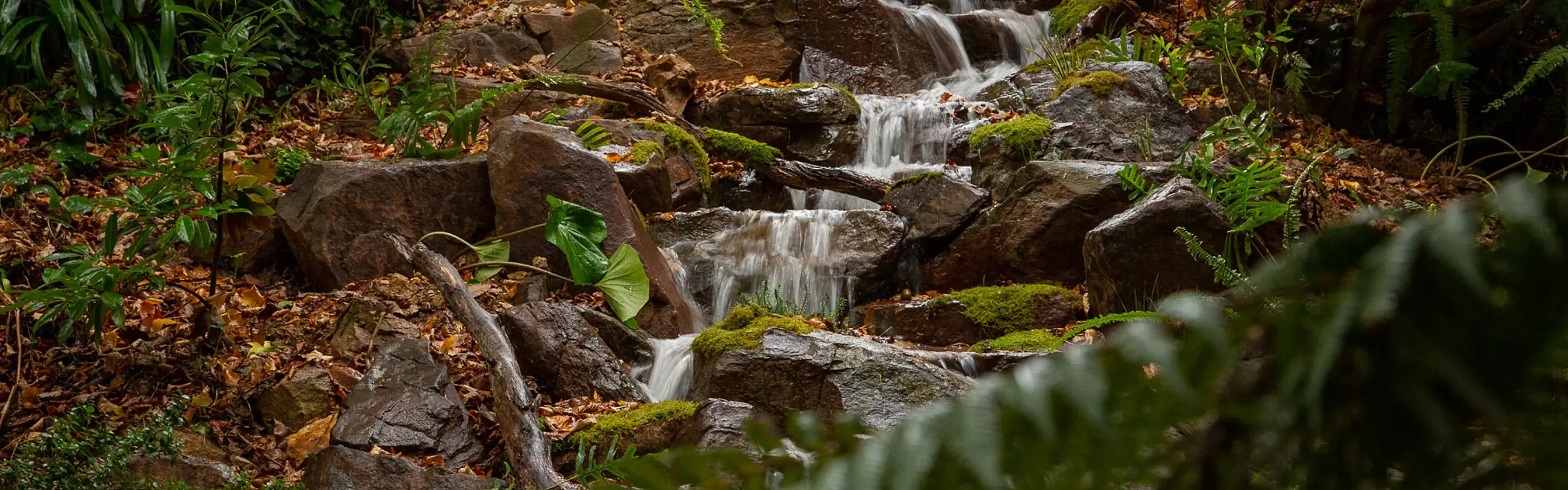
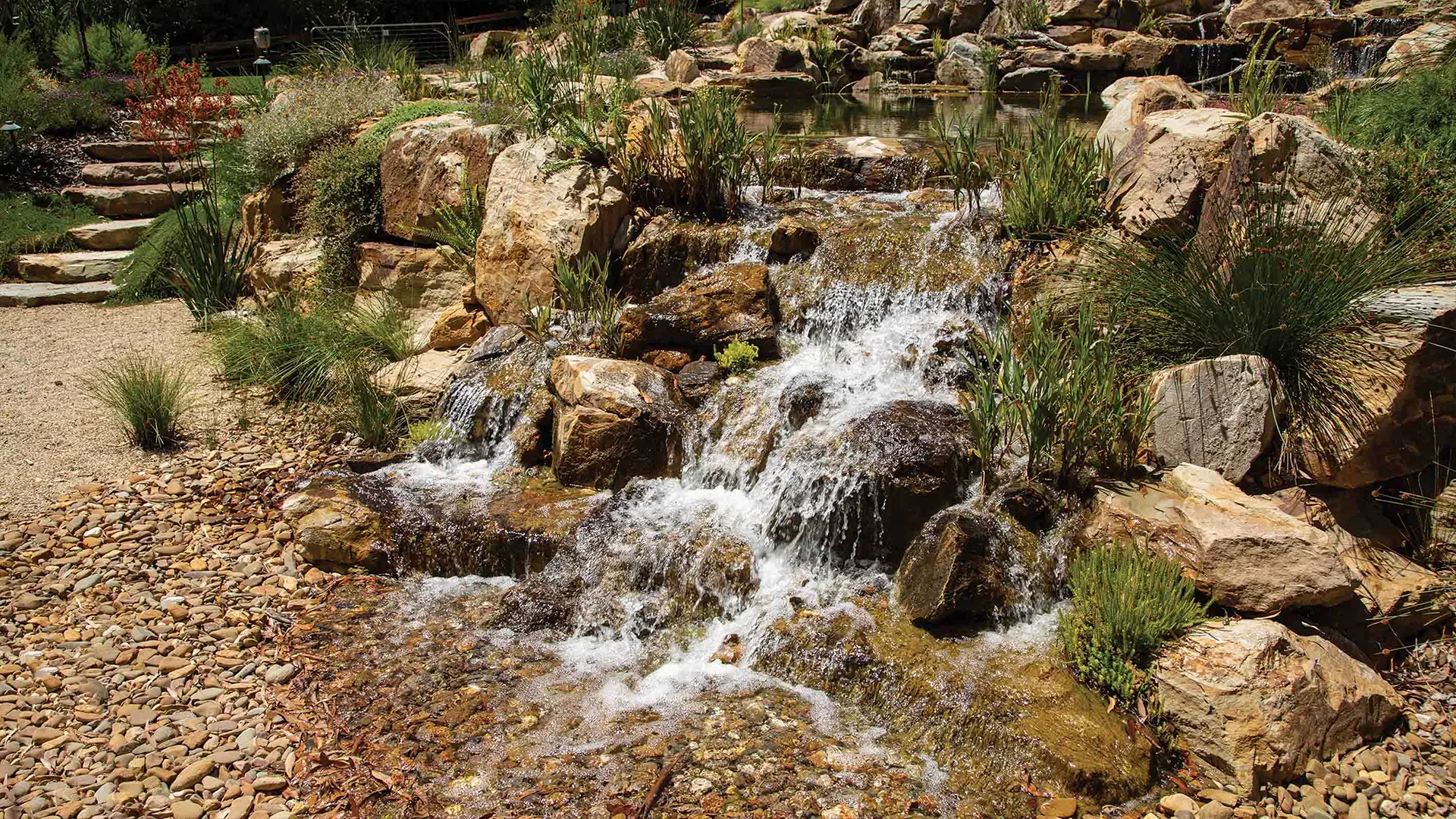
Water movement is one of the most important parts of a healthy natural waterscape. In ponds, streams, wetlands, aquatic habitats, natural pools and fountainscapes, moving water helps support oxygen, circulation and balance.
In nature, water is rarely completely still. Streams flow, rain stirs the surface, wetlands shift and wind moves water through pond edges. This movement helps water breathe.
Oxygen Supports a Living System
When water moves through a stream, waterfall, fountain or circulation system, it has more contact with air. This helps increase oxygen levels in the water.
Oxygen supports fish, aquatic life, beneficial bacteria and the natural processes happening below the surface. Beneficial bacteria are especially important because they help break down organic matter such as leaves, fish waste, decaying plant material and other nutrients that enter the water.
Still Water Can Create Build-Up
When water does not move well, some areas can become stagnant. Leaves, sludge, sediment and organic debris may settle in these quieter pockets.
Over time, this build-up can affect water quality and create conditions where algae becomes more noticeable, especially when sunlight and excess nutrients are also present.
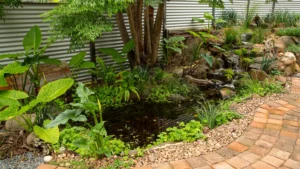
This does not mean every part of a waterscape needs to rush or bubble. Quiet areas are important too, especially for wildlife and planting zones. The aim is thoughtful movement, where water circulates without losing the natural feel of the space.
Movement Helps the Ecosystem Work Together
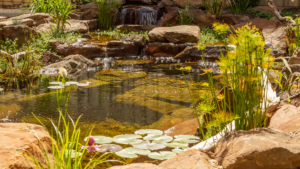
A healthy waterscape relies on many parts working together. Plants absorb nutrients, beneficial bacteria break down waste, rocks and gravel provide surfaces for microscopic life, and filtration helps remove debris.
Water movement helps connect these parts. As water circulates, it can pass through planted areas, rock zones and filtration systems, giving the ecosystem more opportunity to process nutrients naturally.
Water Movement Can Help Keep Algae in Balance
Algae can appear whenever the right conditions are present. It often shows up where there is sunlight, warmth and excess nutrients.
Good circulation helps reduce stagnant areas where nutrients can build up. It also supports oxygen levels and beneficial bacteria, which both help the wider ecosystem stay balanced.
A small amount of algae is still part of a living system. The goal is not to remove it completely, but to help prevent it from taking over.
More Than Just Looks
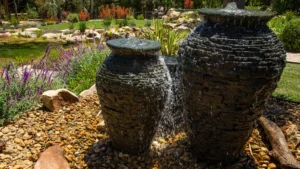
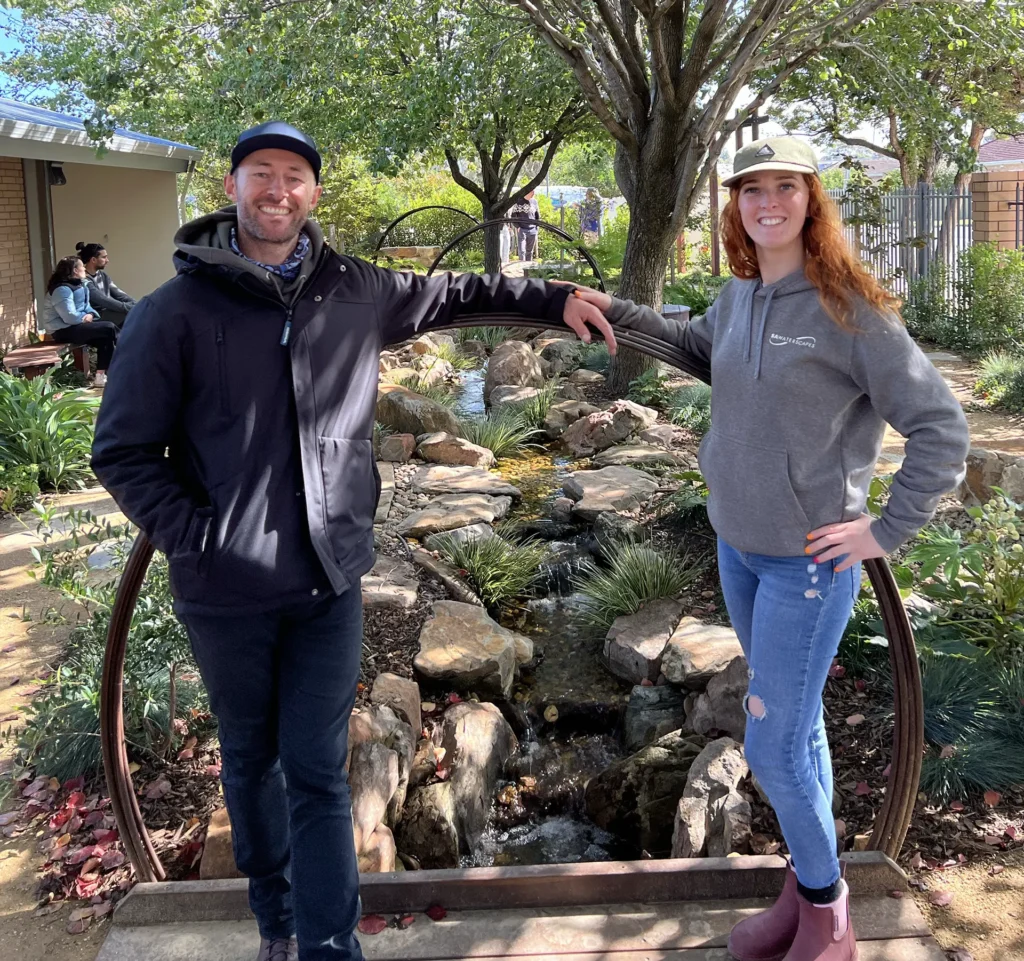
Streams, waterfalls and fountains add movement, sound and beauty, but they also have a practical role. They help oxygenate the water, keep the surface active and support healthier circulation.
A well-designed natural waterscape considers how water moves from the beginning. Depth, shape, rocks, planting, edges, pumps and filtration all influence how the system functions over time.
When water moves well, the whole waterscape benefits. It breathes better, supports more life, reduces stagnant build-up and becomes easier to maintain naturally.
In a living waterscape, movement is not just something you see or hear. It is part of how the ecosystem works.